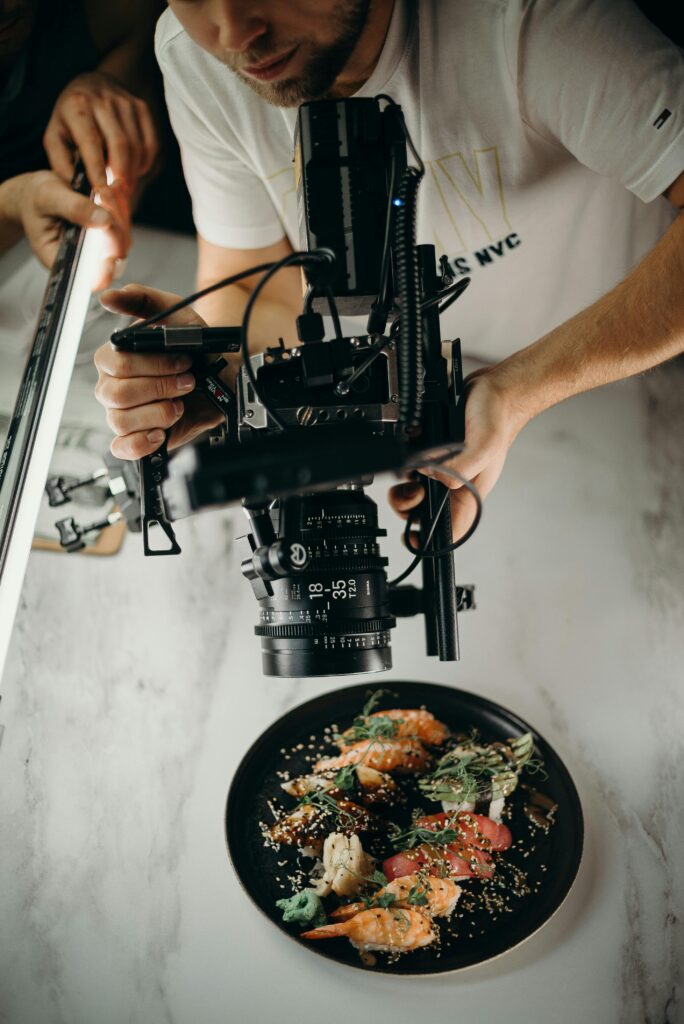
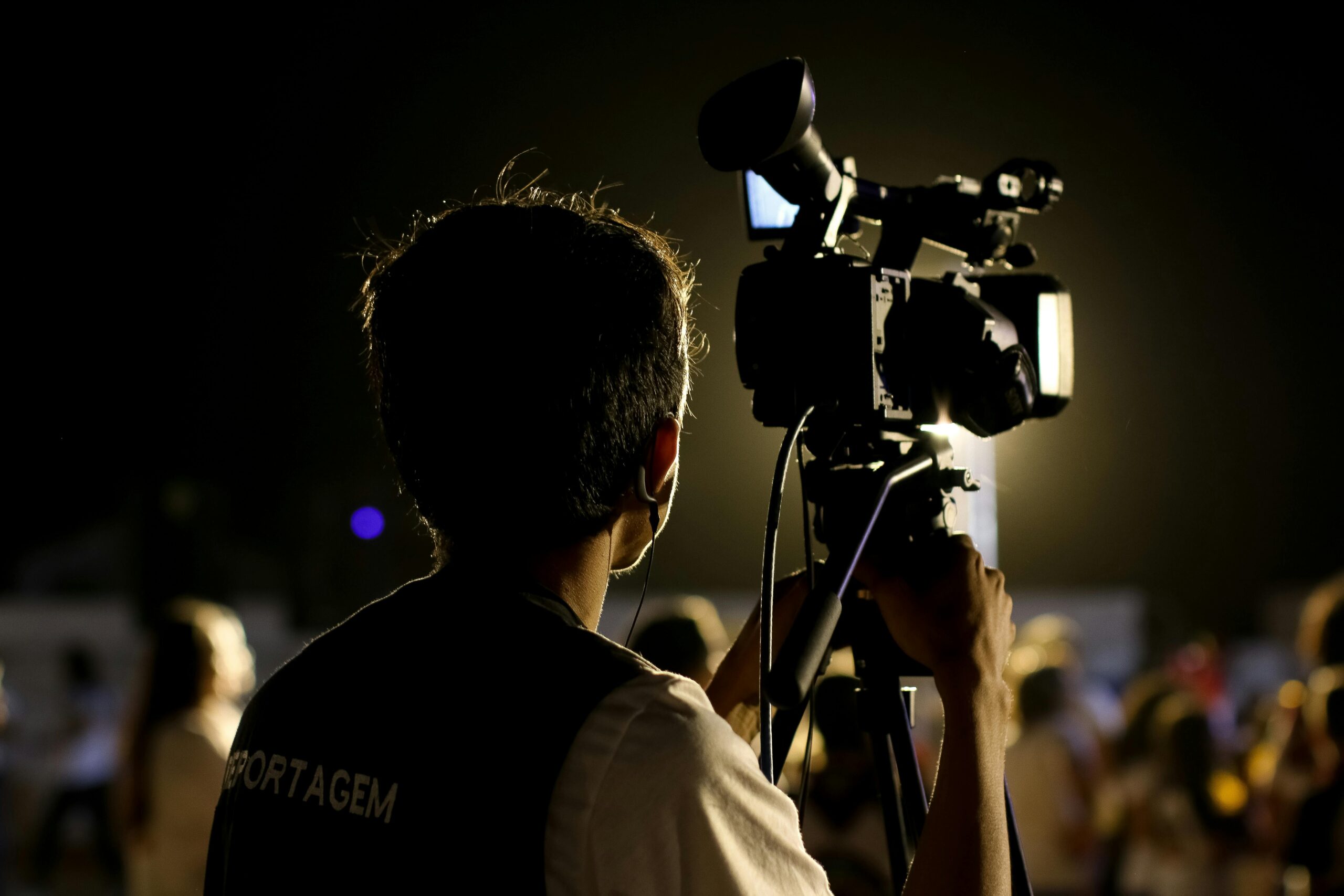
In the world of visual media, videography and photography both offer unique ways to capture moments and tell stories. However, when it comes to creating engaging and immersive content, videography often has the upper hand. This is especially true in the realm of video production in Washington DC, where dynamic and multifaceted projects are the norm. With innovative studios like Tone Films and experts like Andrei Tone leading the way, the benefits of videography become even clearer.
Dynamic Storytelling
One of the biggest advantages of videography over photography is its ability to tell a story. While a photograph captures a single moment in time, a video can convey a sequence of events and a complete narrative. This is particularly useful in complex scenarios where context and progression matter. In video production in Washington DC, where events are often intricate and multi-layered, videography provides a richer and more complete view. Tone Films and Andrei Tone excel in creating these dynamic stories, using advanced techniques to ensure that every detail contributes to the overall narrative.
Enhanced Emotional Connection
Videography has a unique ability to forge emotional connections through movement and sound. Unlike static images, videos can incorporate music, voiceovers, and sound effects to deepen the emotional impact of the content. This multisensory approach helps to engage viewers on a more profound level. In Washington DC, where audiences are highly engaged and expectations are high, videography can capture and convey emotions more effectively than photography. Tone Films and Andrei Tone’s work demonstrates how video can make content more relatable and impactful.
Greater Flexibility and Versatility
Videography offers greater flexibility and versatility than photography. Videographers can employ a variety of techniques such as slow-motion, time-lapse, and different camera angles to enhance the story they’re telling. This adaptability is especially valuable in a diverse city like Washington DC, where projects range from corporate events to cultural festivals. Whether documenting a major political event or a vibrant community celebration, video production can be tailored to meet the specific needs of the project. Tone Films showcases this versatility by delivering customized solutions that fit various contexts.
More Comprehensive Documentation
When it comes to documentation, videography often provides a more thorough record than photography. A single photograph may capture a moment, but a video can document an entire sequence of events. This comprehensive approach is crucial for projects that require detailed records, such as speeches or conferences. In Washington DC, where accurate and complete documentation is often essential, video production in Washington DC proves to be an invaluable tool. The work of Andrei Tone exemplifies how detailed video content can serve both archival and promotional purposes effectively.
The Power of Post-Production
Videography also benefits from extensive post-production options. Advanced editing techniques, special effects, and color grading can significantly enhance the final product. This ability to refine and polish content is a key advantage of video over photography. With studios like Tone Films pushing the boundaries of what’s possible, and Andrei Tone’s meticulous editing work, the potential of post-production is fully realized. This level of detail and creativity can make a video stand out and capture the viewer’s attention more effectively.
In summary, while photography remains a powerful medium, videography often provides a more engaging and comprehensive way to tell stories. The benefits of video production in Washington DC, showcased by leaders like Tone Films and Andrei Tone, highlight how videography can offer dynamic storytelling, emotional depth, versatility, thorough documentation, and refined post-production. For many visual projects, these advantages make videography the superior choice.